A list of benefits still needs definitions and limits
Phone insurance describes insured events rather than promising to fix every problem with a handset. Accidental damage, liquid damage, theft, loss and breakdown may appear in different combinations, and each term has a contractual meaning. EE separates Damage Cover from Full Cover, illustrating why a plan name should be checked against its policy summary. An incident can also be subject to a claim limit, an excess or a requirement to provide evidence. Read the Insurance Product Information Document alongside the full wording and schedule: the short summary helps identify the main features, while the remaining documents explain how those features apply to your device.
Distinguish a functional problem from a cosmetic mark
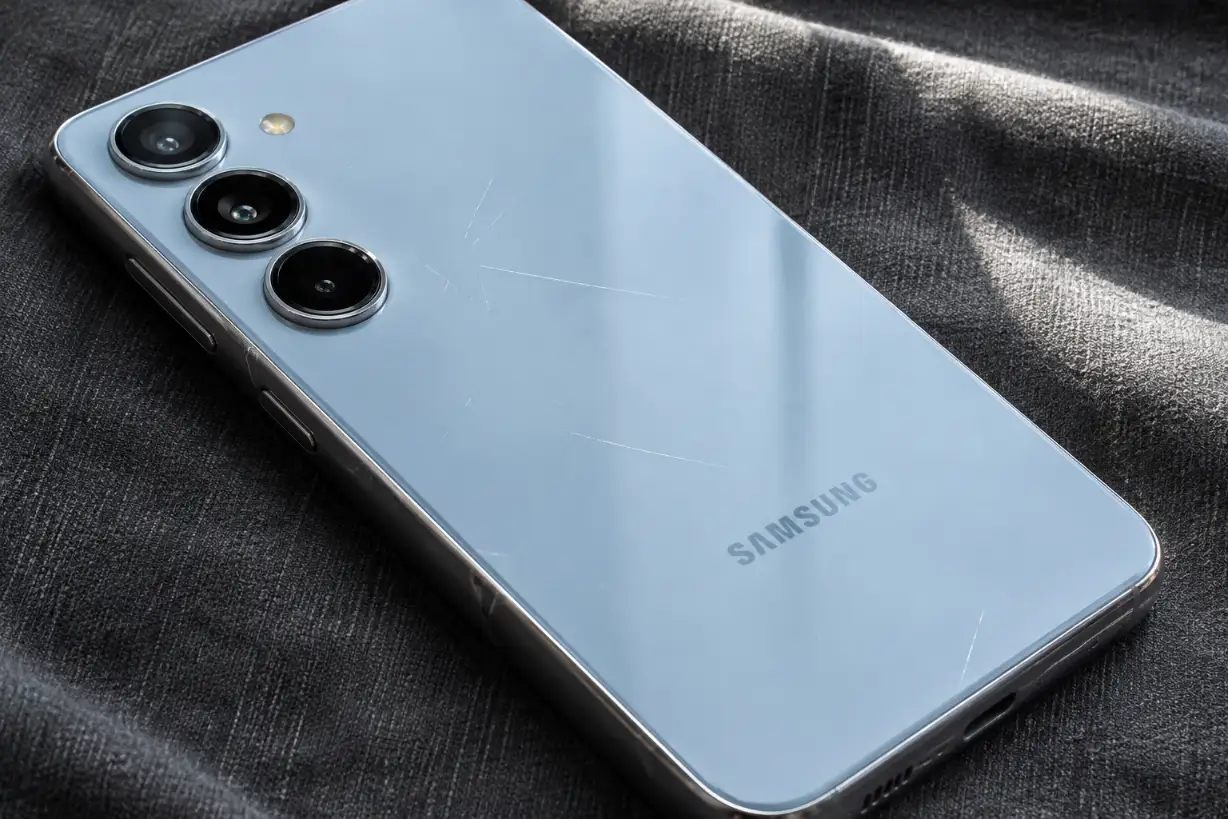
A scratch that leaves the phone working normally is different from damage that prevents you using the display. The Financial Ombudsman Service identifies disputes about cosmetic damage, misleading wording and replacement devices among the issues it receives. If an insurer refuses a claim, ask for the specific policy term and an explanation connecting it to the facts you supplied. Keep photographs, correspondence and the diagnostic report rather than relying on a general description such as broken phone. Where your policy offers repairs before replacement, that order also matters. A successful claim does not necessarily entitle you to a factory-new handset or reimbursement of every expense associated with being without one.
Read these parts together
- The insured event and any definition attached to it.
- The limit or excess applying to that particular type of claim.
- The settlement wording covering repairs and replacement stock.