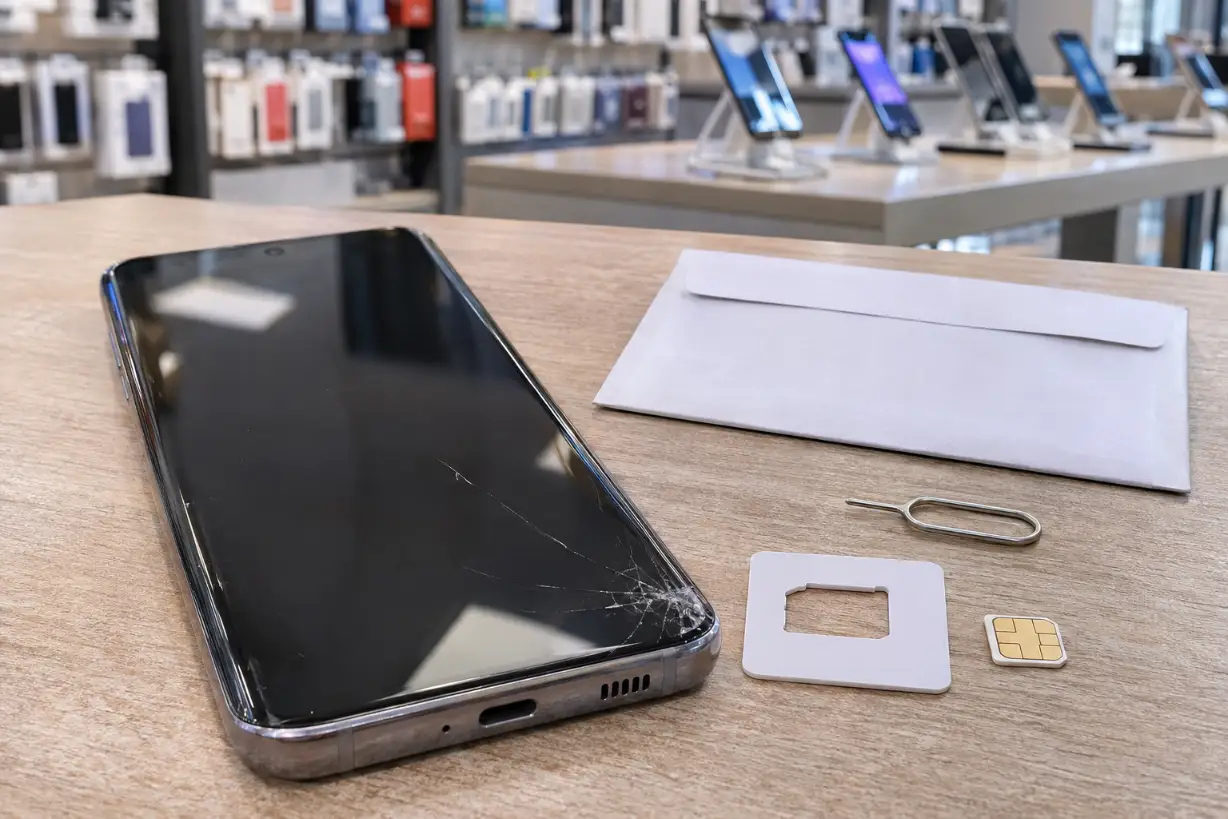
Check the handset purchase rules before adding insurance
Buying insurance through your mobile network can put the premium on a familiar bill, but the policy remains distinct from your airtime agreement. EE explains that its mobile insurance is for eligible devices purchased directly from EE, while Vodafone publishes its own device-purchase conditions and cover levels. A SIM-only customer should therefore establish whether their separately bought phone qualifies. Ask about the deadline for joining and whether the policy follows the insured handset when you upgrade. An existing crack or a phone that has already disappeared cannot simply be added to a new policy as though the event were still a future risk.
Examine repairs, replacements and the end of the policy
A network’s damage-only option may suit a different need from its loss-and-theft package. Compare the excess for a screen repair with the contribution for a missing device, and check whether an accepted claim produces a refurbished replacement. If quick delivery matters, read the geographic and working-day restrictions rather than assuming the service operates identically everywhere. Keep the insurance confirmation alongside the phone contract so you can track each separately. Before leaving the network or changing your tariff, ask whether the insurance continues, ends or needs an update. The convenience of combined billing is useful only if the cover remains appropriate for the handset you actually use.
Questions for the network before enrolment
- Does a phone bought from another retailer qualify for this particular plan?
- What must be updated when you change the insured handset?
- How does cancellation or transfer of the mobile service affect the insurance?