Zero excess may apply to a repair rather than the whole policy
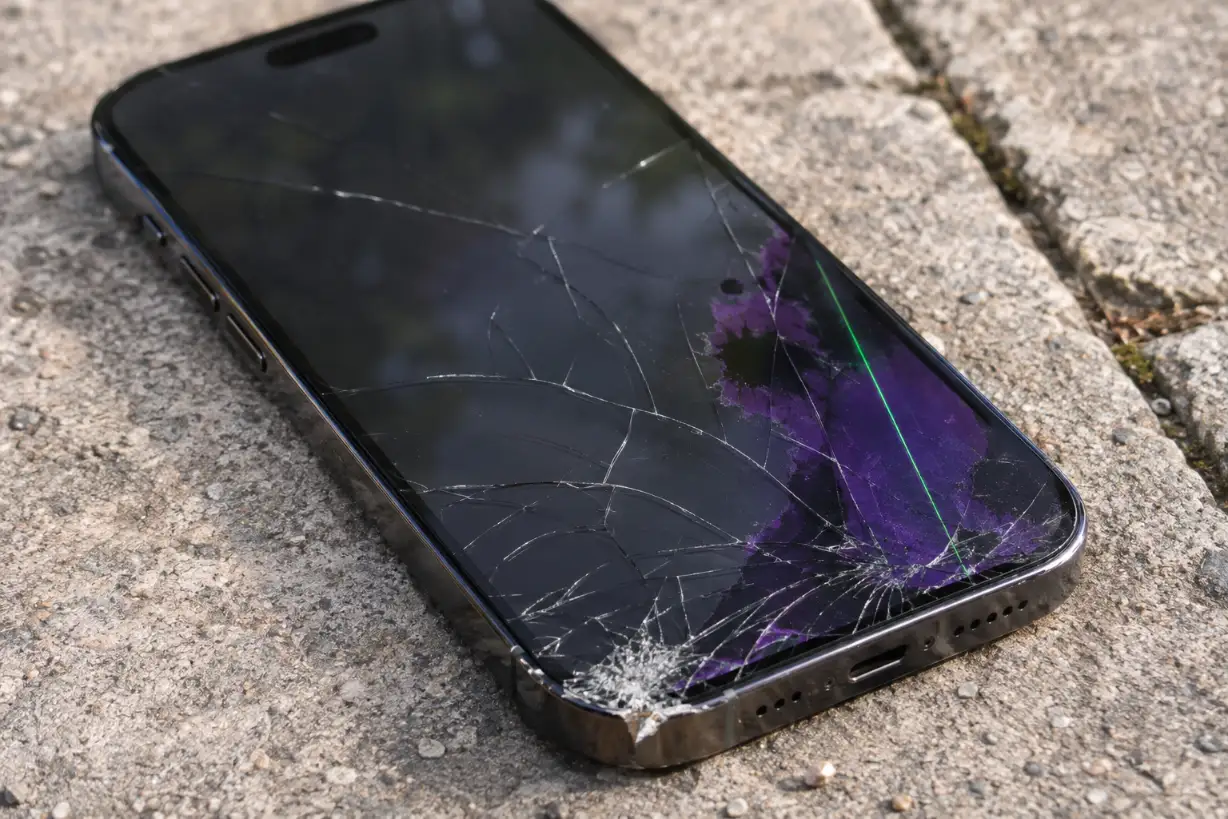
A zero-excess benefit needs to be read at the level of the individual claim. A provider might waive the contribution for an eligible screen repair while still charging for another type of damage or a stolen phone. Google’s UK Pixel Care+ information illustrates this distinction by separating eligible screen and battery repairs from other accidental damage and theft or loss. Apple also publishes different excess fees for different services. Before treating a policy as entirely no-excess, check the phone model, repair category and settlement method. A replacement handset can follow a different fee schedule from repairing a single damaged component on the device you already own.
Compare the saving against the premium and the remaining limits
Removing an excess can make a small repair easier to claim for, but it does not remove exclusions, evidence requirements or maximum benefits. Ask whether a waiver is permanent, promotional or limited to a particular repair network. If you can choose between two otherwise comparable policies, examine the additional premium over the time you expect to keep the phone and the claim contribution it would remove. Avoid counting a waived fee as a guaranteed saving when no insured event has occurred. Keep the written quotation and benefit schedule so that you can distinguish the advertised promise from the conditions applicable to your handset.
Questions behind a zero-excess headline
- Does the waiver cover repair, replacement, theft and loss equally?
- Is the benefit limited to a listed device or an approved repair route?
- Does another service charge remain payable when the excess is waived?